EN Contenido en inglés — los talleres del festival se imparten en inglés y español
The grand finale of the Cenizas residency
Mutation, evolution, change, transformation, movement. Inner and outer.
DATES
20–22 November 2026
VENUE
El Colladito · Cercedilla · Madrid
LANGUAGES
English + Spanish
Fénix festival is the culmination of Cenizas, our balfolk residency. A weekend festival focused on education: a deep and immersive learning itinerary about Balfolk dances, designed to refine technique, explore variations, enhance musicality, understand origins, navigate the dance floor, and much more.
A unique opportunity to receive training from over 12 Balfolk teachers from different parts of Europe, who have spent a week working together to improve the dances and their transmission. Two nights of concerts, cultural immersion and a vibrant community await.
Beginners · ★
It’s my first time at Balfolk, or maybe my second. A space to strengthen the basics, to understand a dance from scratch.
Intermediate · ★★
I’m comfortable with some dances, but Breton dances? Gascon dances? There’s so much to learn — and in couple dances I feel stuck in what I know.
Advanced · ★★★
I’ve been dancing through festivals for years, comfortable as leader/follower and interpreting the music — I want to take a step further.
Pick one workshop per block; spots confirmed by registration order before payment. Workshops in English + Spanish.
B = beginners · I = intermediate · A = advanced. Block 2 workshops are a surprise, created during the residency.
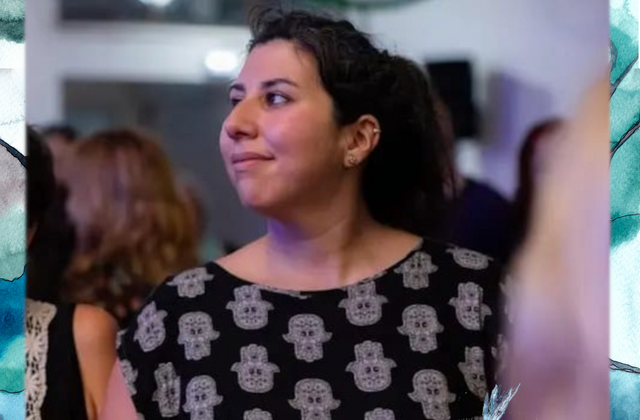
Rafaela Calheiros (PT)
A traditional way of transmission: circle work, repetition and shared practice — musical phrasing, weight transfer and posture; the grounded flow of Saut Béarnais versus the sharper precision of Mutxikoak.
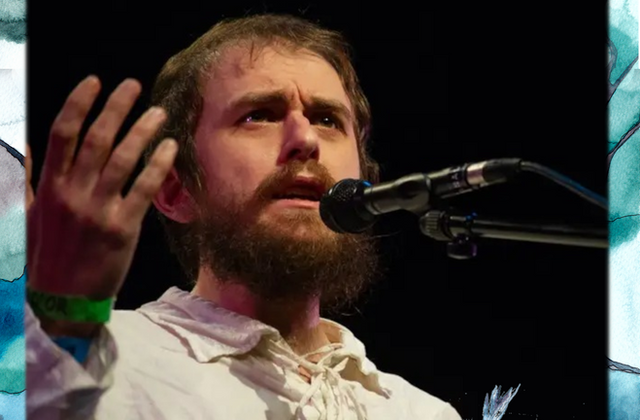
Victor Delage (FR)
Beyond the 6-players choreography: learn several bourrée choreographies step by step — including Double Jeu and Cassiopea — adding rules and variations until the dance flows naturally.
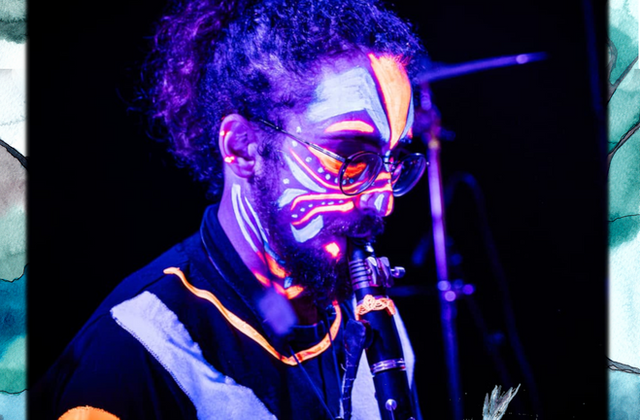
Léo Proulx (FR)
How can a musical dialogue occur between musicians and dancers whilst dancing? Playing with melodies, grooves and rhythms — focusing on waltzes and scottisches.
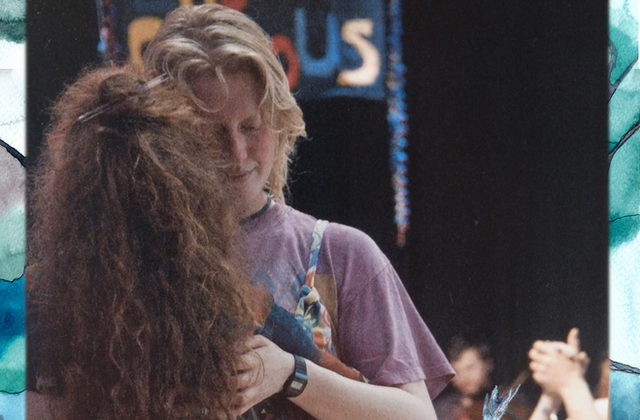
Lou Mather (UK)
Ceilidh dances from North West England: fun, playful, expressive movement — a great introduction to folk dance for any level and a very enjoyable way to meet lots of new people.
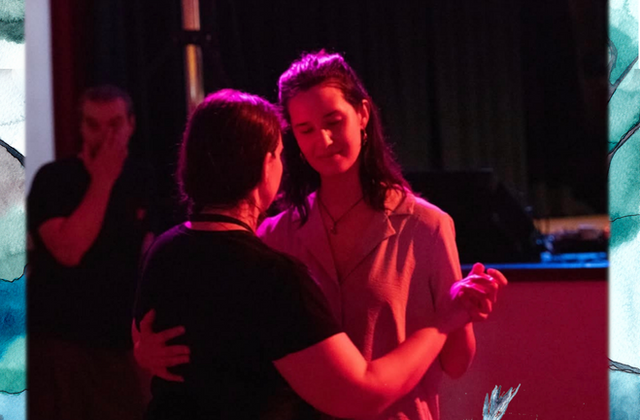
Dalia Pranauskaite (LT)
From head to toes: groove and movement initiation through the whole body, inspired by house dance practices — rhythm, direction, texture and connection, rooted in balfolk vocabulary.
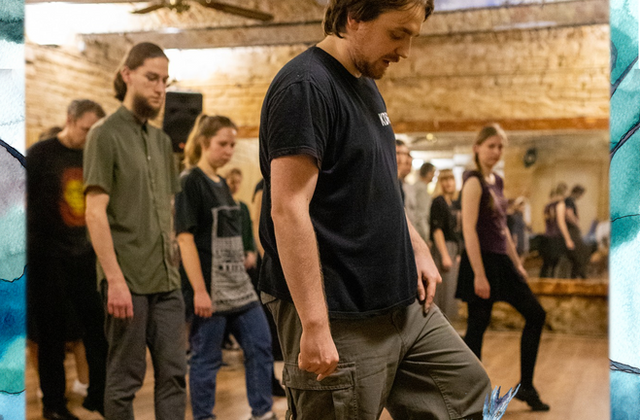
Leo Visser (NL)
Couple dance dynamics through ideas inspired by Aikido: transforming and reusing energy, shared centre of gravity, moving smoothly between turning and travelling steps without losing flow.
The musicians and teachers who make Fénix what it is — different countries, different instruments, one week of dancing together. Press play and listen before you arrive.
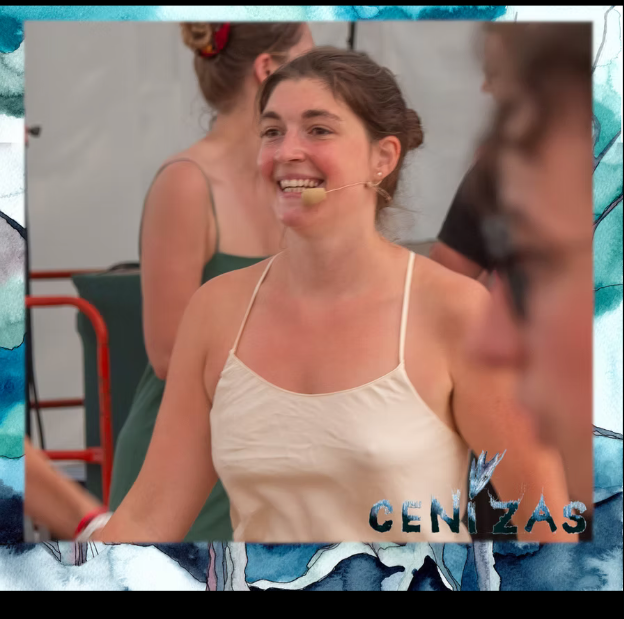
Italy
She began dancing in Turin (Italy) at six, studying ballet, contemporary, hip hop, jazz and, since 2011, balfolk. After training with the Hallet Eghayan Company in Lyon and graduate in community dance and pedagogy in Turin, she now collaborates with dance companies and teaches balfolk across Europe. In 2021 she joined Collectif Matières Vivantes to promote gender-based violences free spaces in social dances. Her approach blends contemporary tools with folk dance, centering tradition and consent. We are not talking about numbers and formulas… we’ll work on body, movement and have fun while at it!
We will borrow Rudolph Von Laban’s theories from early 20th century to go deeper on the analysis of the dances we practice: a lot of traditional dances has similar steps, but they dont look the same at all. What changes is the whole way of moving the body, the «dynamic». Each day we will focus on one particular topic: weight, flux, time, space and rhythms to understand how to read, feel and use each one of them while learning and teaching dances. Because once you know the dynamic of movement it’s easier to recognize it in the dance, then repeat and vary it in order to enrich your array of expressions. Up to you then to stick as much as you can to tradition or use them for impovisation.
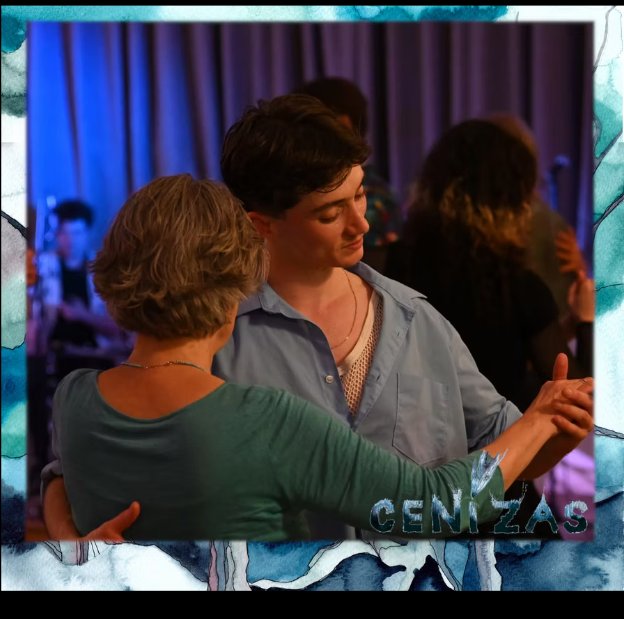
berlin
Based in Berlin, Rom is a physiotherapist, balfolk teacher, and occasional event organiser. His teaching is focused on the physical mechanisms behind specific dances and styles, using simple principles as a jumping-off point to build complexity without losing clarity – in other words, his goal is to make dancing feel easy.
In this edition of Cenizas, he will explore how slowing things down leads to better, more enjoyable dancing. Working with couple dances from France and Sweden, you will learn to ground yourself in your own body and in space, improve the clarity of your movements, put value into every moment of a dance, and create more space for playfulness and stylistic flourishes.
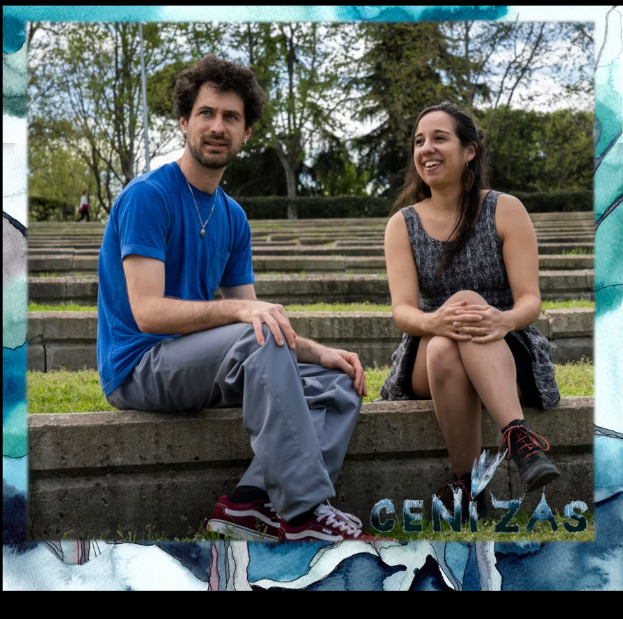
MADRID
Are balfolk teachers and producers. Located in Madrid, they organise loads of events, workshops and stuff.
Among other events they organise the Bailando Entre Montañas festival, the Neo-Trad: folk, feminism and dance, and several concerts in the Madrid area.
As folk dancers and teachers, they’ve specialised in couple dances, studying their most intimate features and exploring the possibilities from fusions with other dances. Their approach, based on creativity, active listening and roles switching, has been recognised in these years with workshops in many balfolk festivals in all Europe (they still miss some country, though).
They’ve also participated as teachers in other balfolk residencies such as Folktemporary, Resitrad or Sustainabal and they wish to bring the spirit of these encounters into this new gathering.
The festival is open to a maximum of 50 participants (plus the 40 participants of Cenizas). The admission fee for the weekend is 160€, including participation in all activities, food and accommodation in rooms of 6–8 people. Bring a sleeping bag too (nights can be very cold), a towel, and your most comfortable dance clothes.
Filling the application form does NOT reserve your spot: you also need to buy your ticket. The ticket includes a mandatory cancellation insurance from Entradium.
I haven’t danced before, is this a festival for me? Yes! We have a specific itinerary so you can take your first steps in Balfolk. Come join us!
Albergue El Colladito, Camino de los Campamentos 1, 28470 Cercedilla, Madrid — 5 minutes uphill from Cercedilla’s Cercanías station. cercedilla.elcolladito.com
María: +34 652 483 969 · Francesco: +34 617 123 144 · folquemadrid@gmail.com
A week of shared work by 12+ teachers from all over Europe — Fénix condenses its outcomes. →